- U.S. Army Corps of Engineers, New England District
- Federal
- Boston and Brookline, Massachusetts
Project Overview
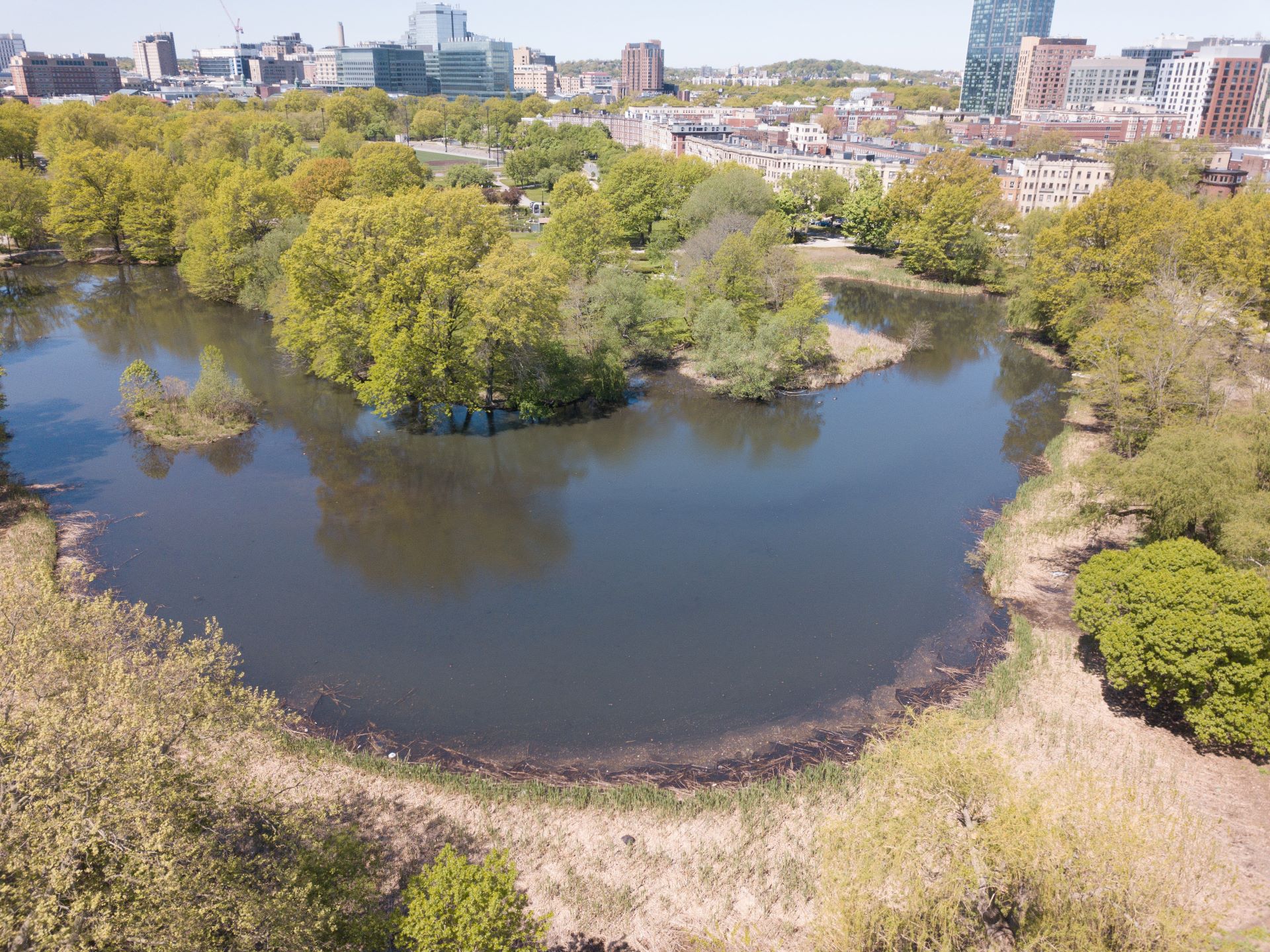
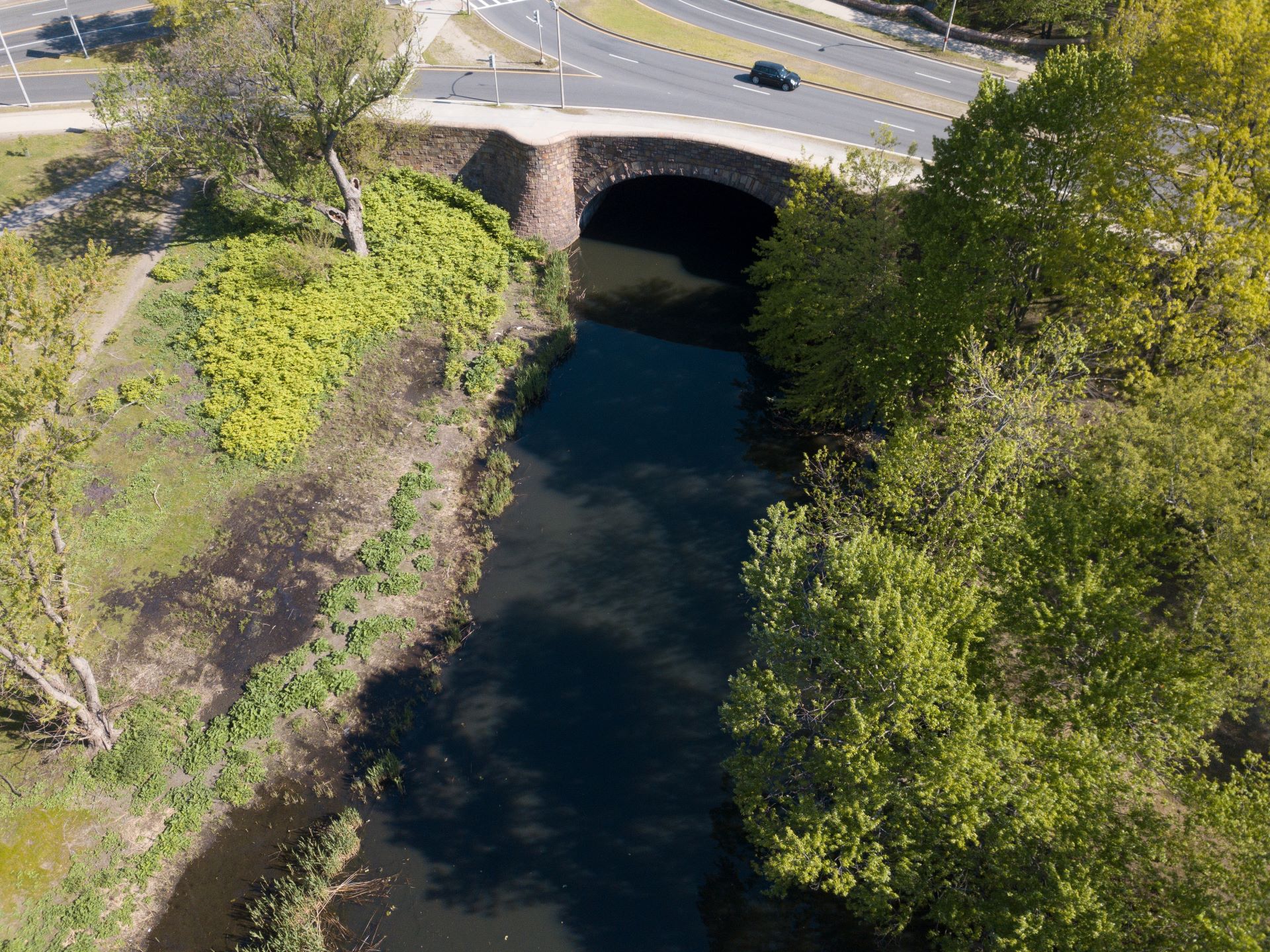
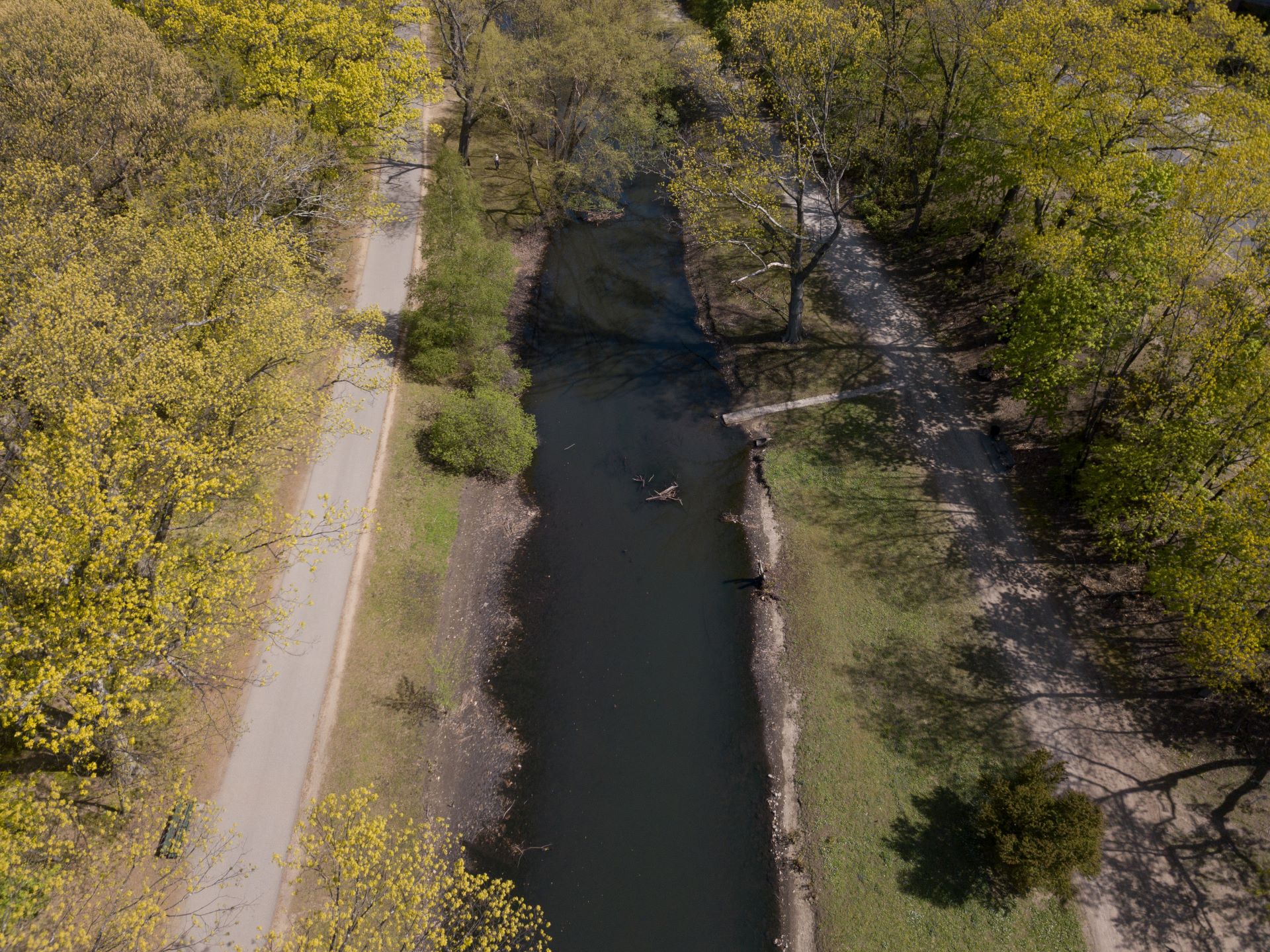
Phase II of the Muddy River Restoration Project is a major urban restoration effort to reduce flooding, restore natural systems and preserve Frederick Law Olmsted’s historic Emerald Necklace park system. Building on the earlier phase with the same project team, the work advanced climate adaptation, ecological restoration and historic landscape preservation in one of the region’s most complex urban settings.
Spanning 3.5 miles through the City of Boston and Town of Brookline, the work took place next to MBTA Green Line tracks, hospital and university campuses and Boston Fire Headquarters, requiring tightly coordinated logistics to maintain public safety and access.
Charter’s Role
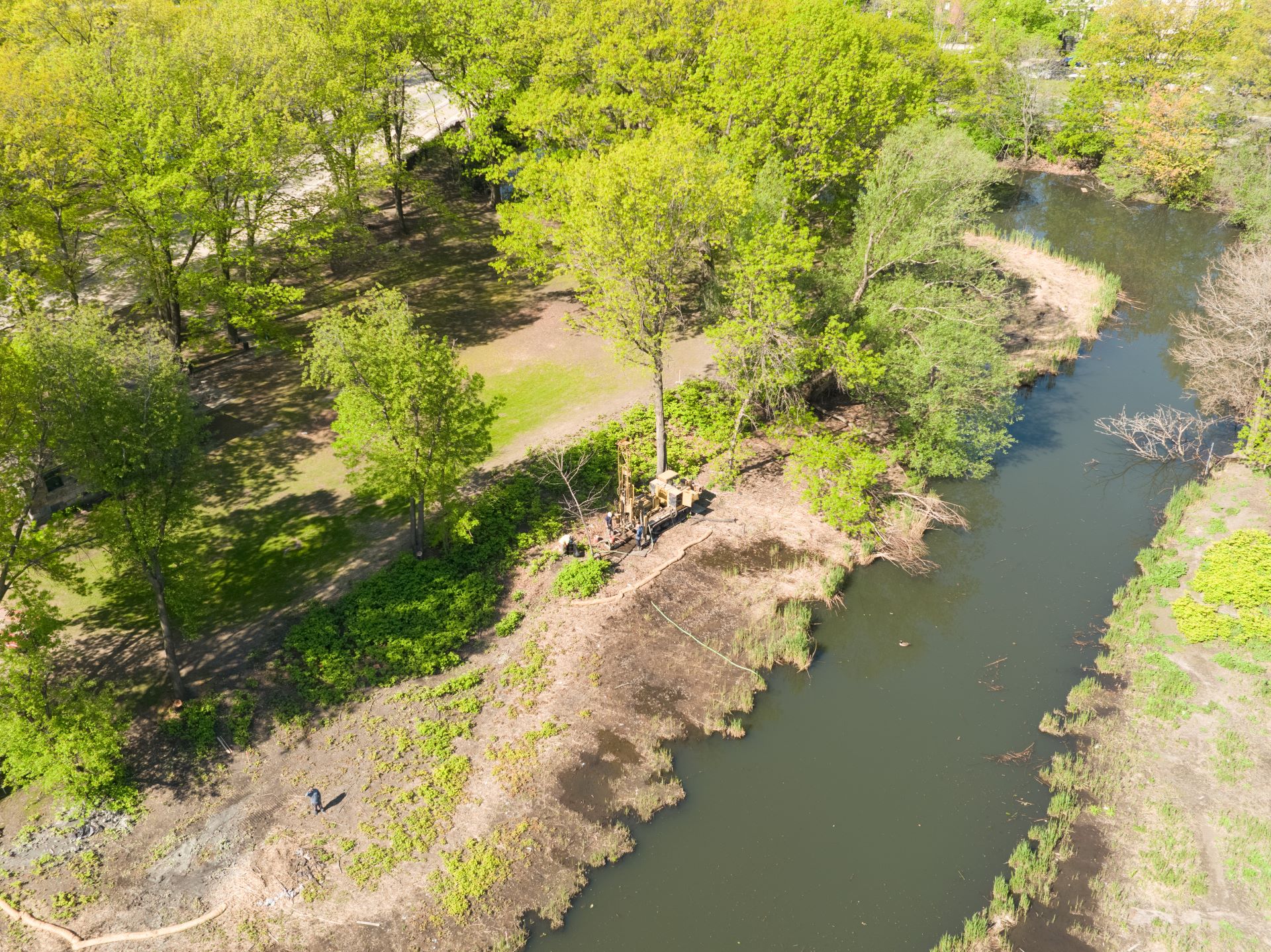
- Dredging of accumulated sediment from flood-prone choke points to restore channel capacity
- Stabilization of eroded riverbanks and removal of invasive vegetation
- Restoration of open-water habitat, plus bioswales and infiltration basins that filter stormwater before it reaches the river
- A new floodwall and pump station protecting Boston Fire Headquarters
- Use of Charter-owned facilities to keep work moving despite limited disposal capacity and trucking shortages
Outcomes & Benefits
The project significantly reduces flood risk along the Muddy River while improving water quality and native habitat. In a standout example of beneficial reuse, sediment dredged from the river helped shape Lynn Harbor Park, turning a former landfill into a public waterfront park.
Back to all